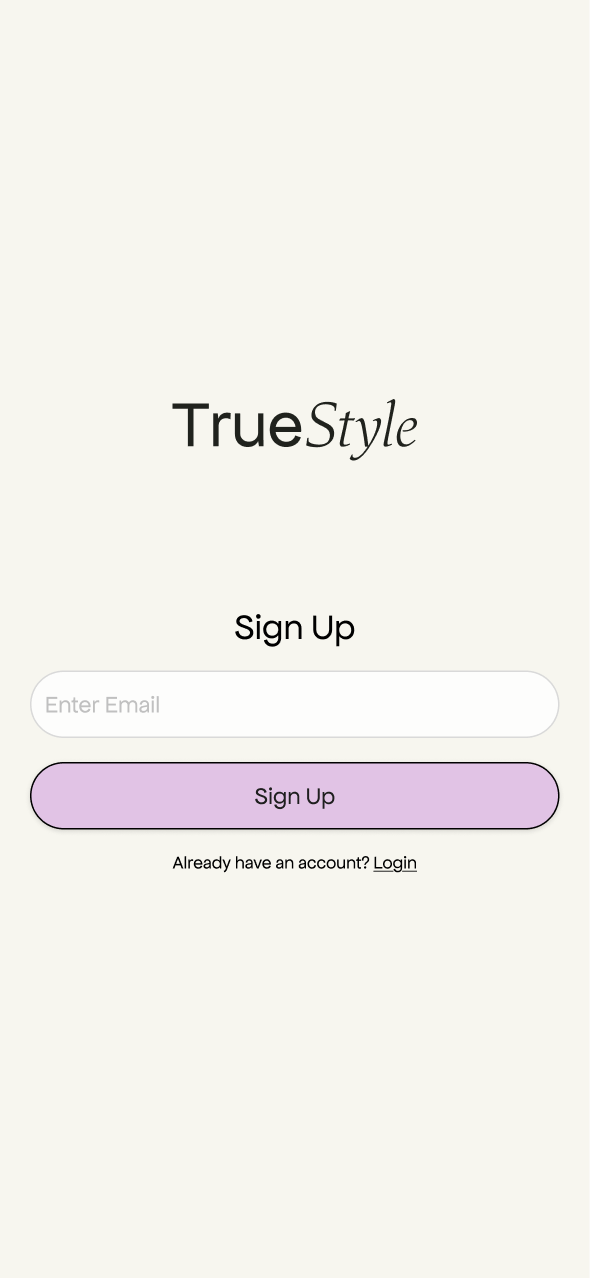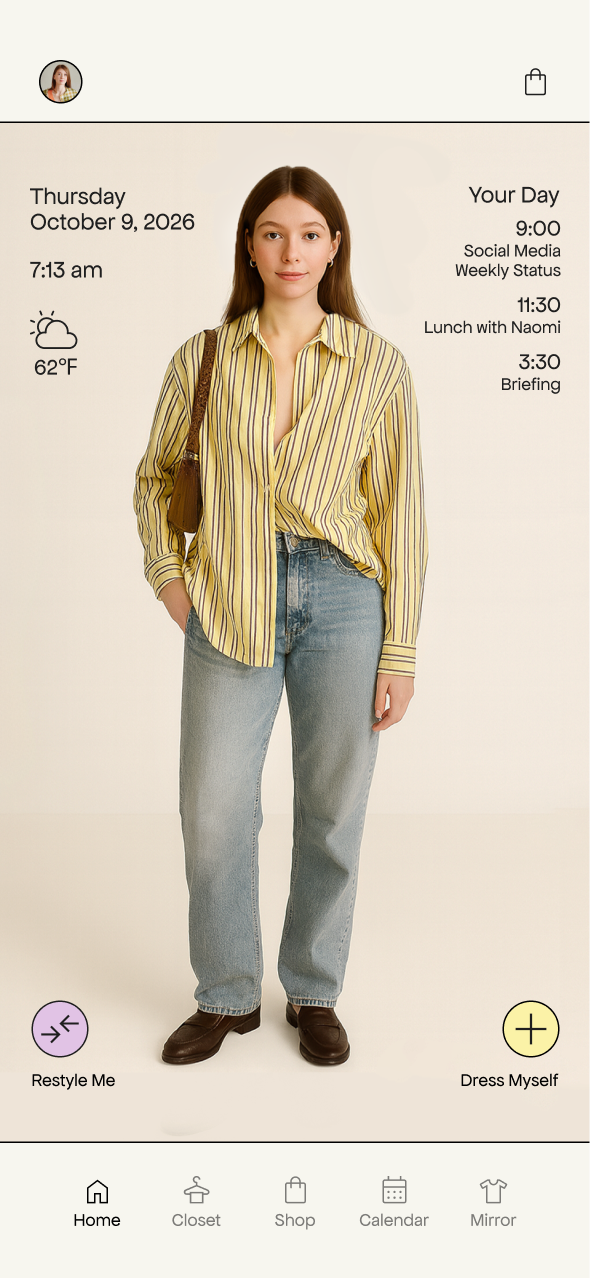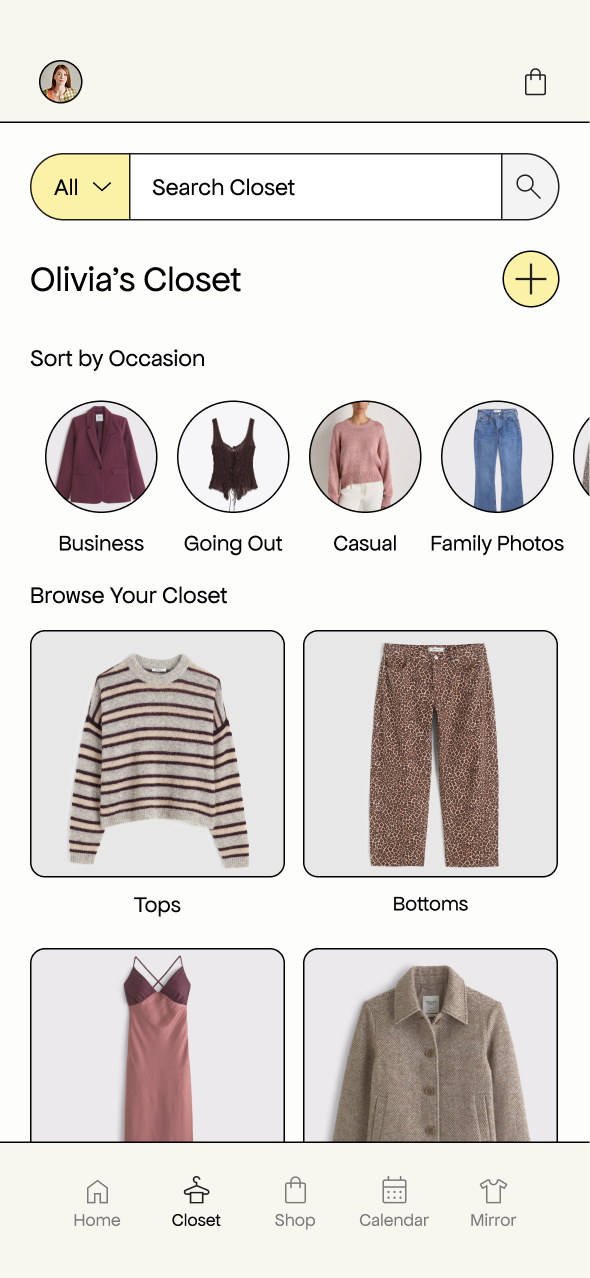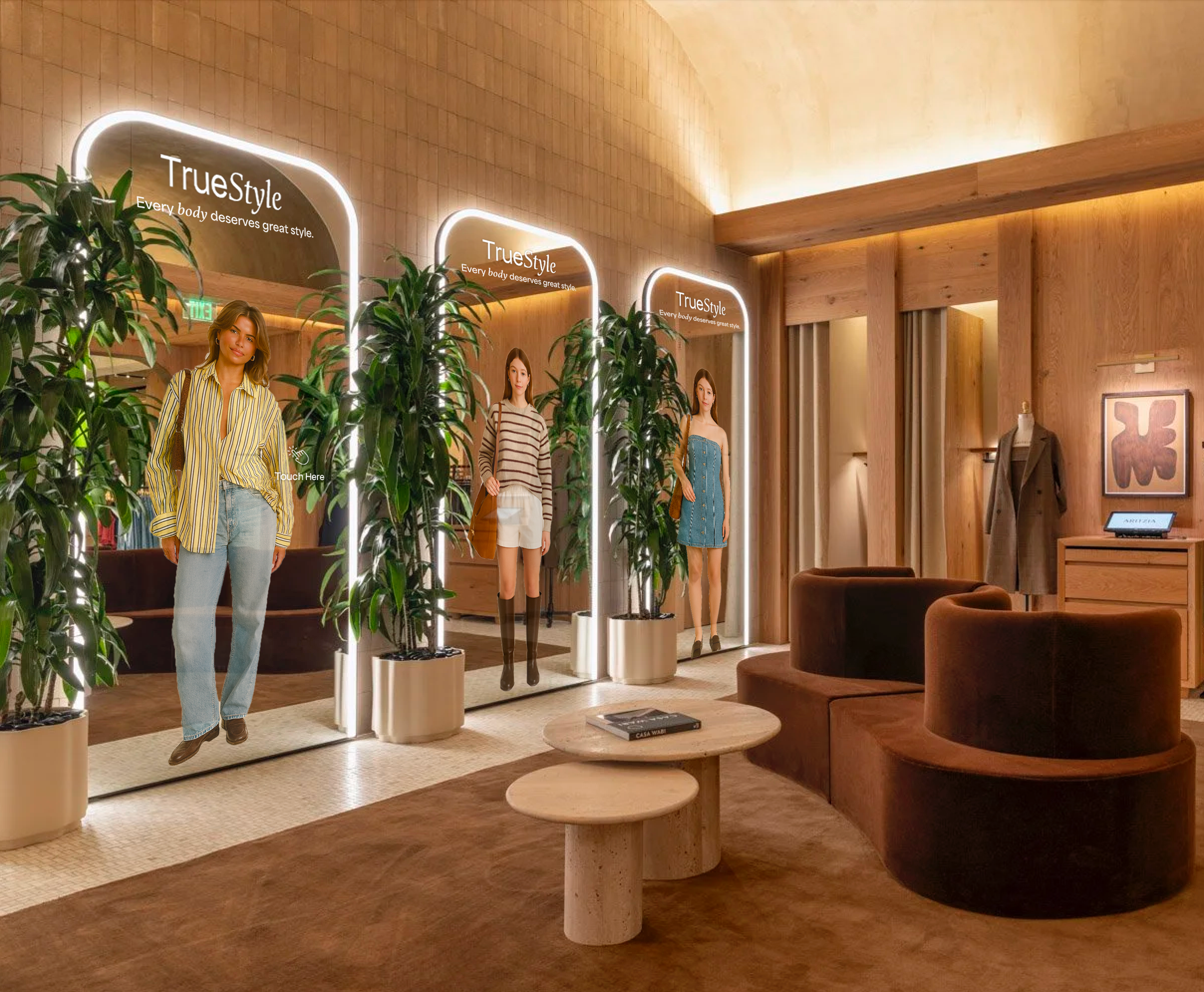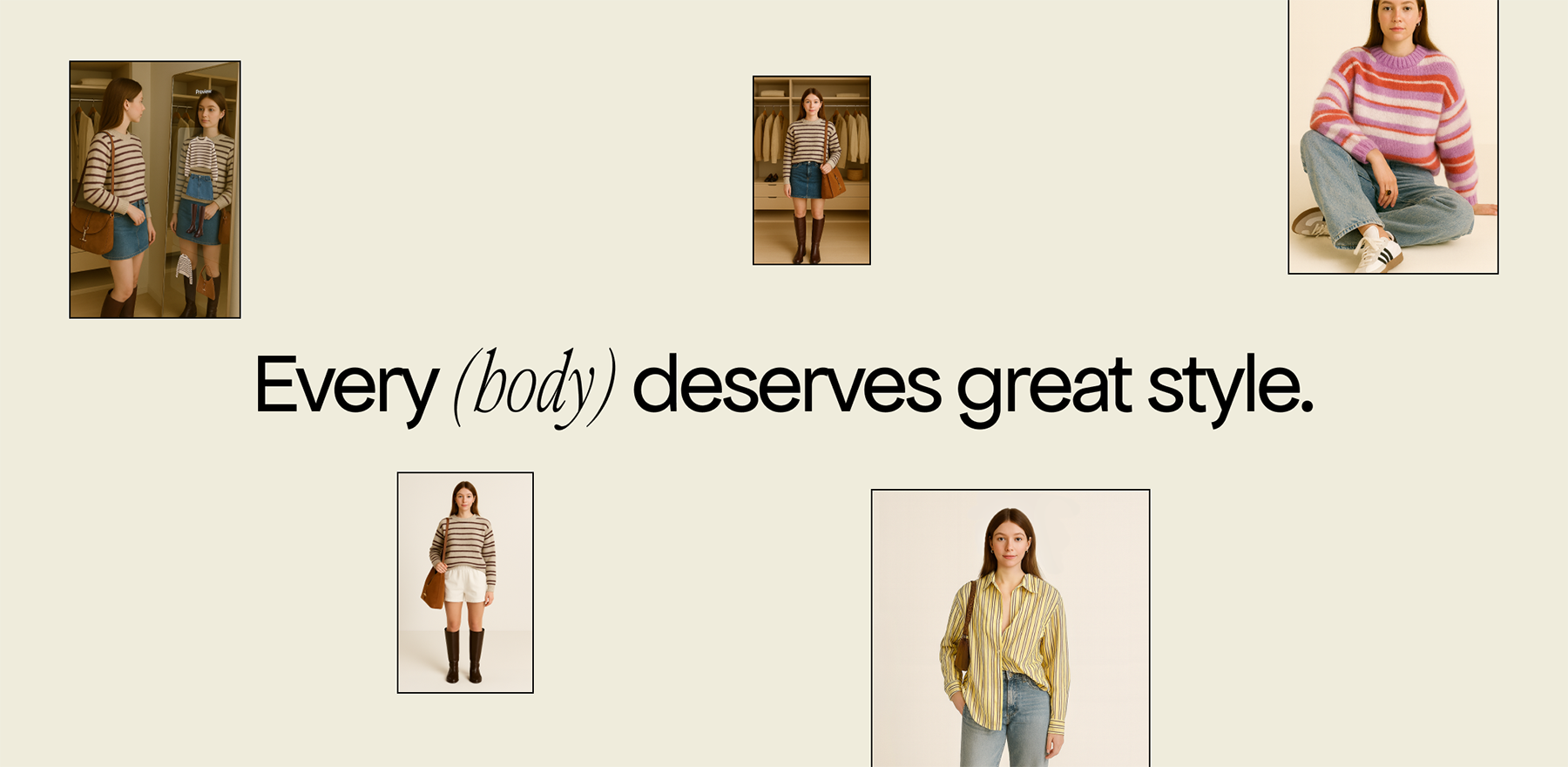

TrueStyle makes it easier for consumers to try on clothing by reducing fitting room traffic and speeding up try-on flow by enabling virtual try-ons in store and at home, so they can put together complete outfits before making a purchase.
Scope of work
User Research • Conceptualization • UX Design • Interface Design • User Testing • Branding Video Production
Duration
12 Weeks
tools used
Figma • Photoshop • Premiere Pro • Usertesting.com
The Problem
People often struggle to define their personal style, which often results in impulse buying and overconsumption, leaving them with low-quality clothing they don’t truly love.
Why is that?
My design process
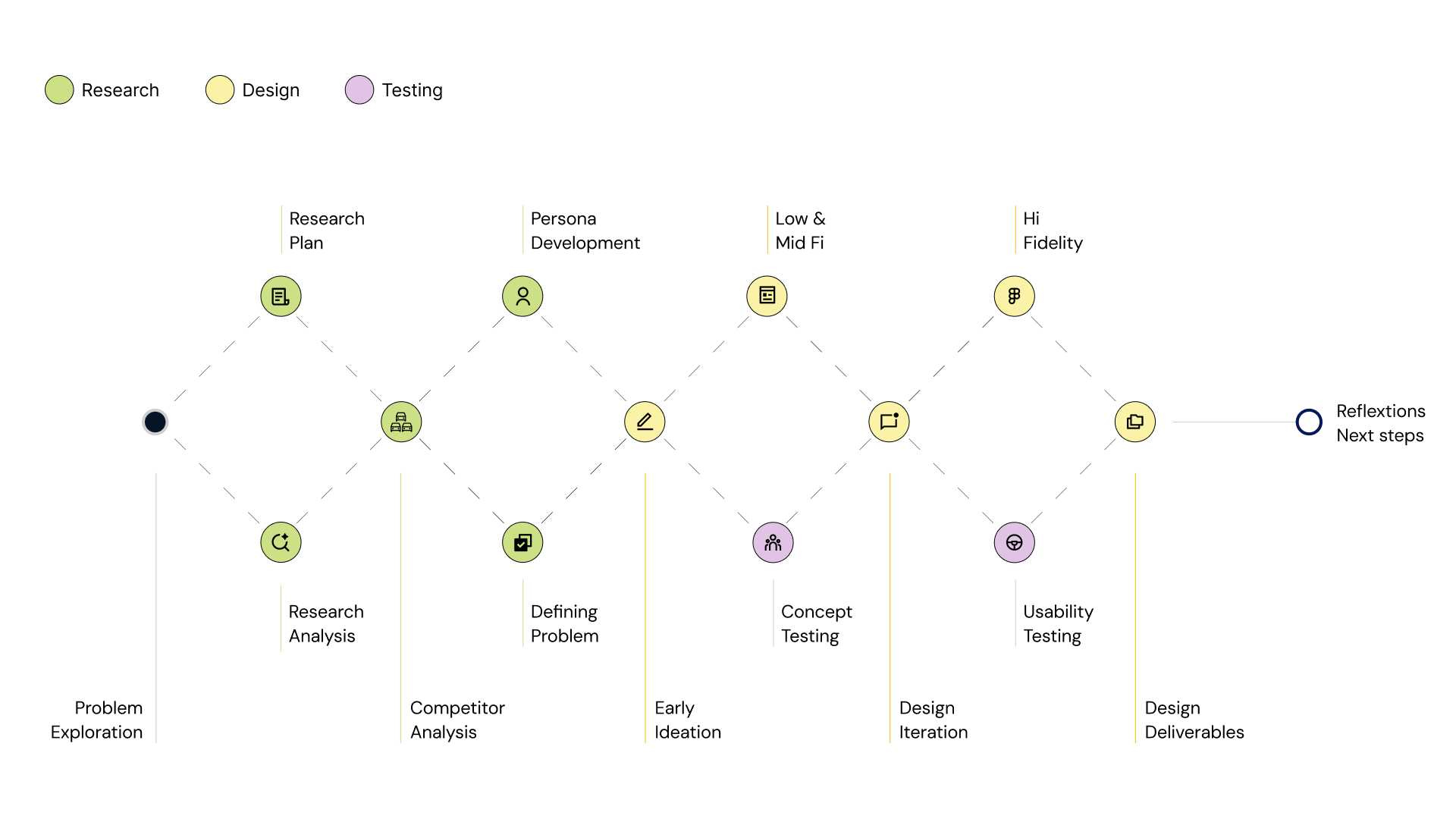
I began by outlining my ideal end-to-end design process, mapping each phase from initial research through final user testing. This framework helped me stay intentional and structured throughout the project.
Research
Research Plan
My research explores shoppers’ pain points to develop actionable strategies that enhance the shopping experience and boost confidence in personal style.
Target Demographic
75% Female
25% Male
30-45 years
$90,000 - $150,000 income
Approach
Interview Participants
Research Analysis
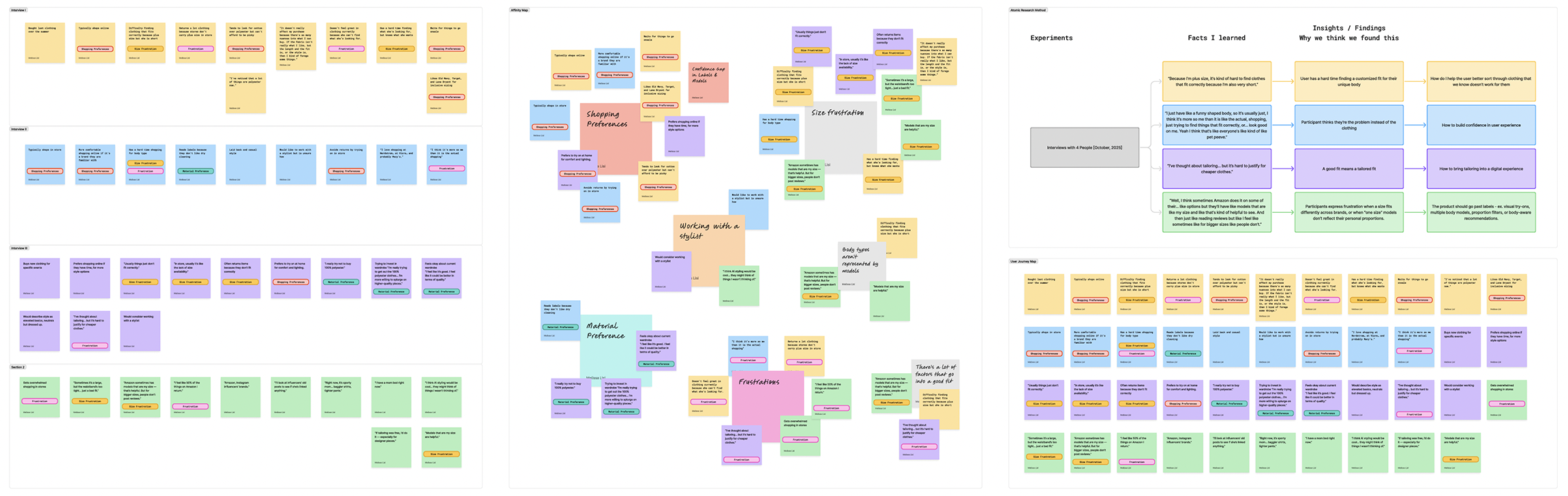
From there I organized all of the users pain points and did thematic coding. This helped me notice patterns that were starting to emerge, especially in size frustrations and the way clothes fit.
Research
Research
“Because I'm plus size, it's kind of hard to find clothes that fit correctly because I'm also very short.”
Fit Challenges for Real Bodies
How to assist users in filtering clothing to ensure the proper fit for their body type?
Key findings
“I just have like a funny shaped body, so it's usually just, I think it's more so me than it is like the actual, shopping, just trying to find things that fit correctly, or... look good on me.”
Lack of Confidence
How to build confidence in the users shopping experience?
“They'll have models that are my size and that's kind of helpful to see. If not I have to rely on reviews but it seems like people my size don’t leave reviews or reviews with images.”
Size Representation Matters
How can we provide users a true fit experience before they make a purchase?
“I’ve thought about tailoring… but it’s hard to justify for cheaper clothes.”
Tailored Fit vs. Affordability?
How to bring tailoring into a digital experience?
How might we
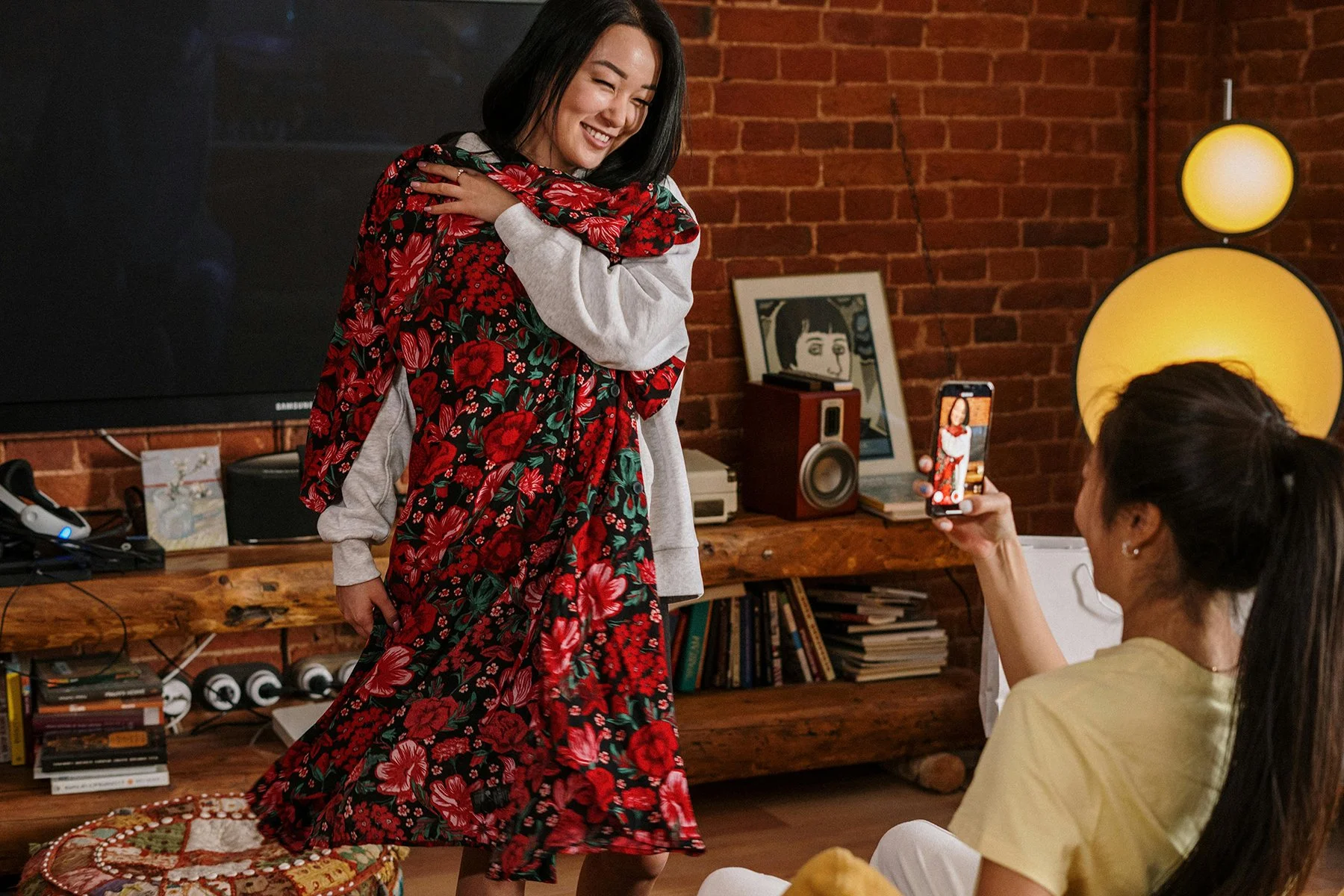
How might we help shoppers discover which clothing pieces flatter their unique body types without trying them on so they feel more confident in their style?
Early concepting
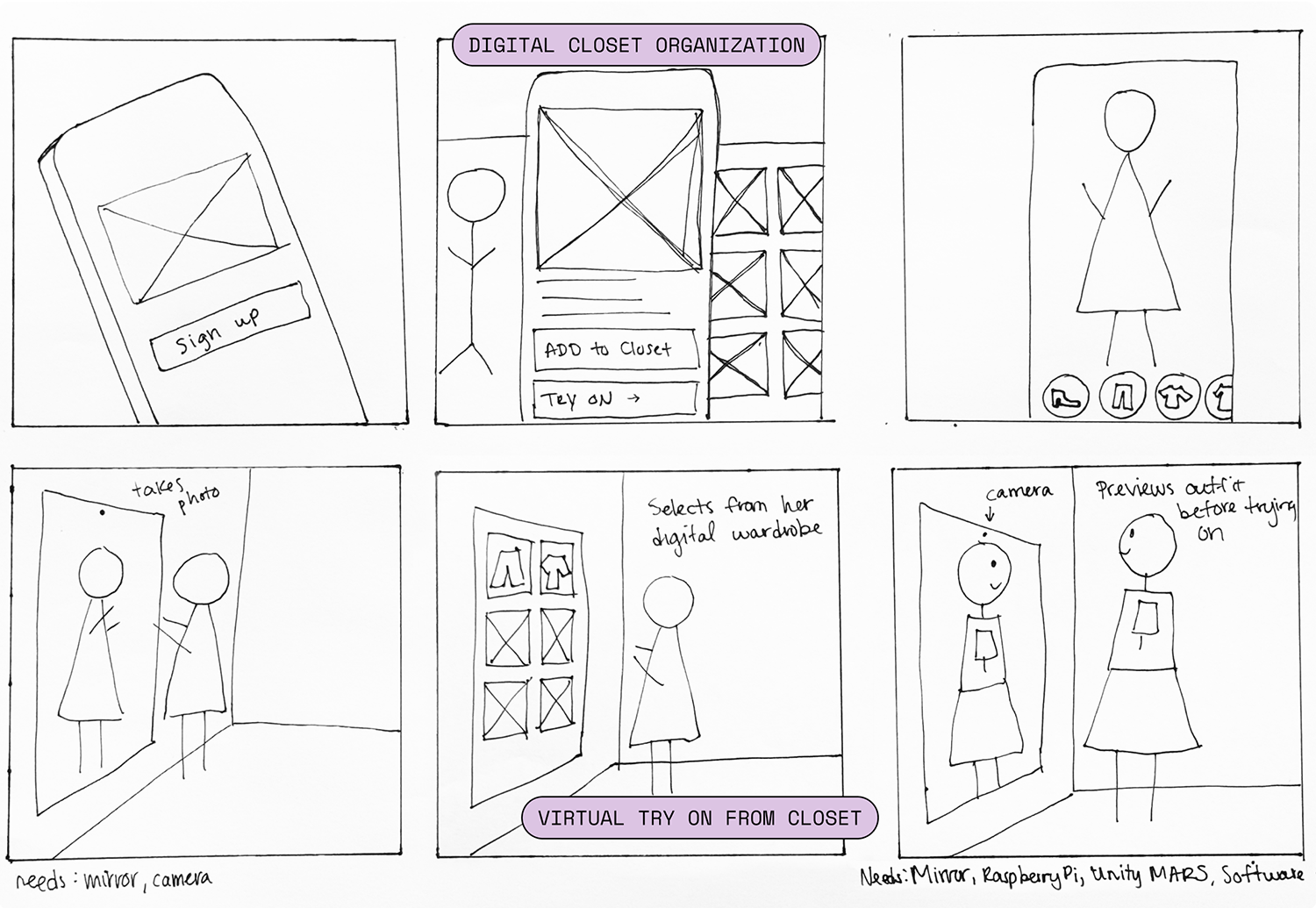
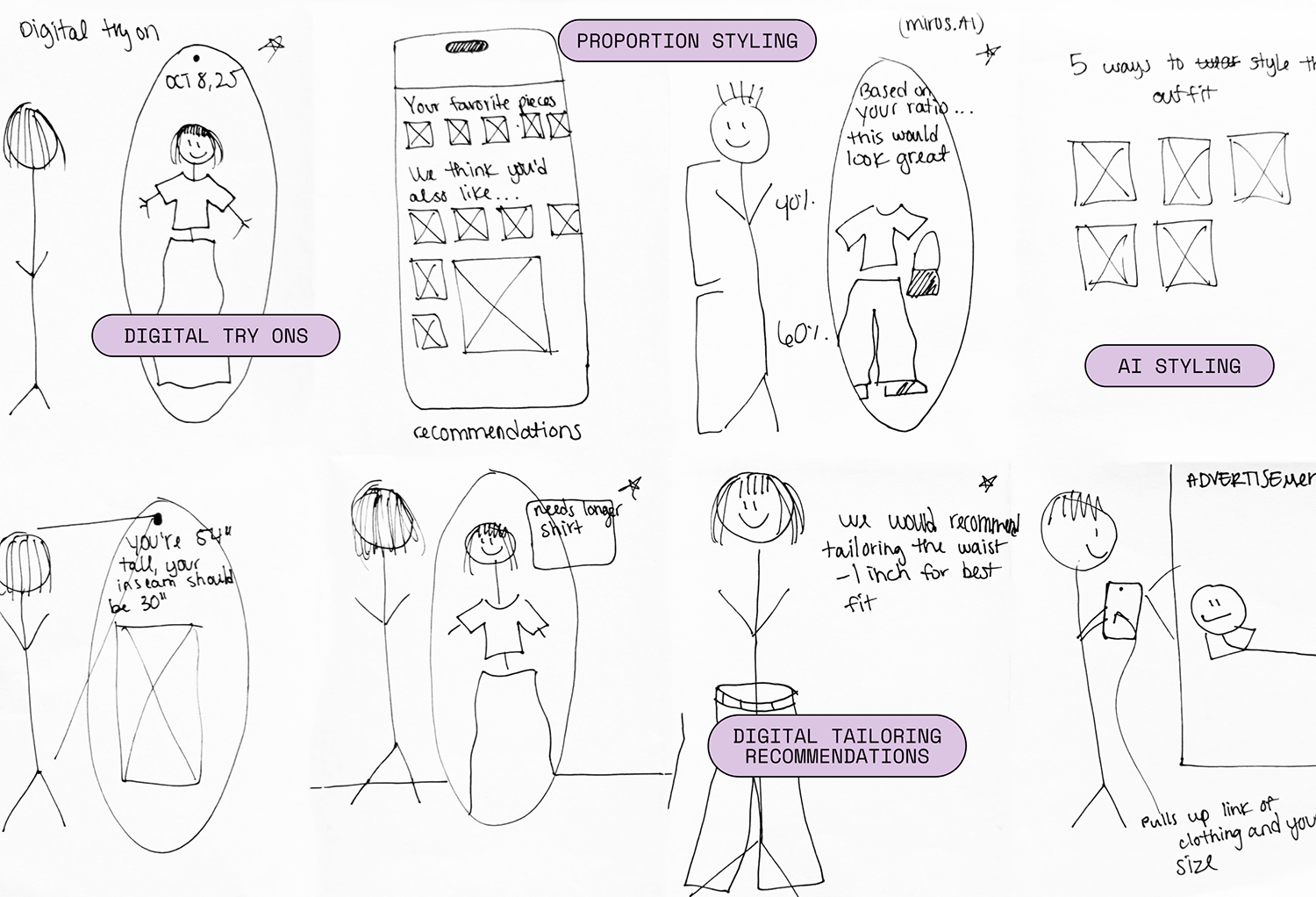
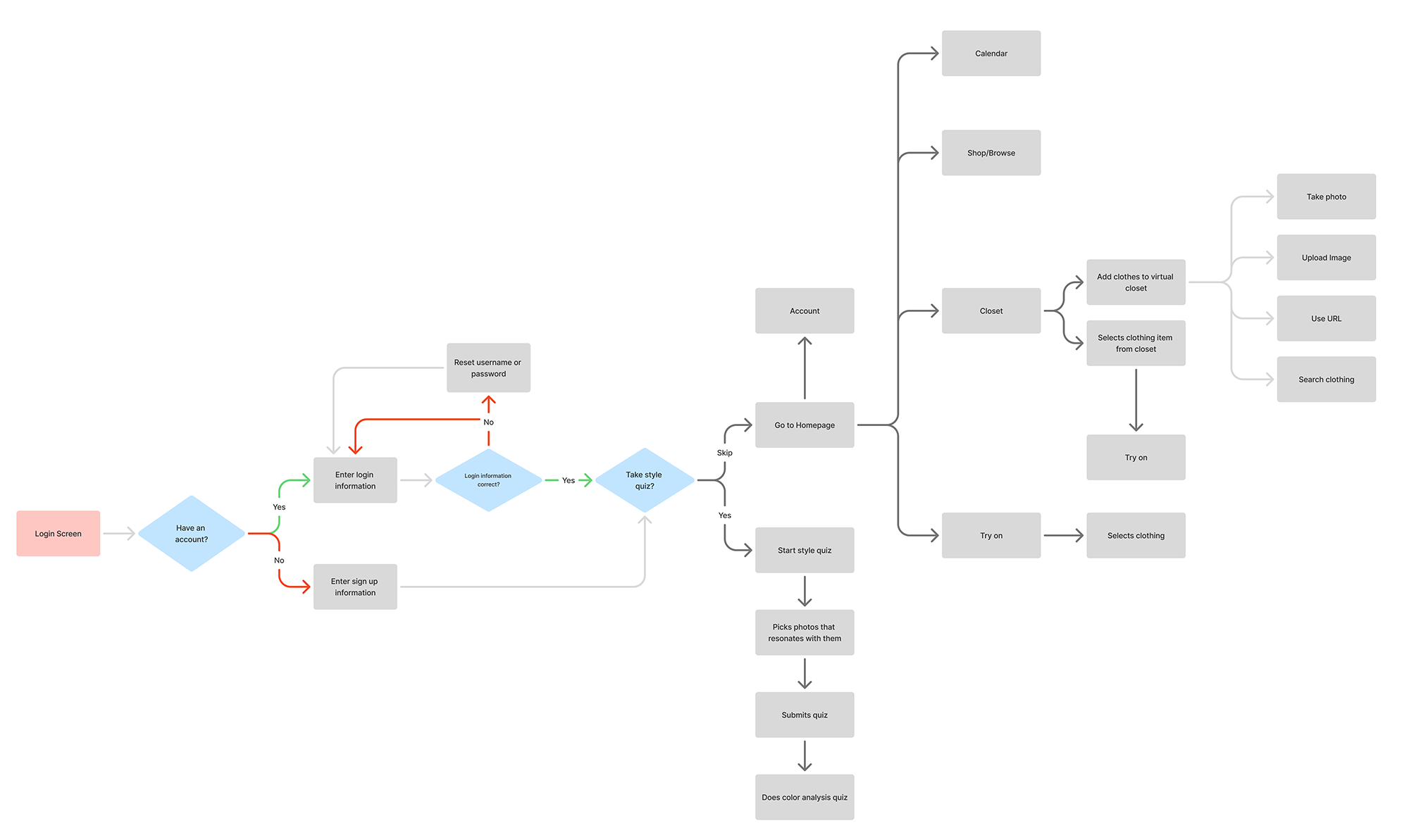
User Flow
Feasibility
My initial concept positioned the AR mirror as an in-home product. However, after evaluating feasibility, I realized that the hardware requirements alone would make it inaccessible to the average consumer. This insight prompted a pivotal design question: how could I preserve the core value of the experience while making it scalable and realistic? That shift led me to reframe the concept for in-store use, where the technology could be shared, costs distributed, and the experience integrated directly into the retail environment.
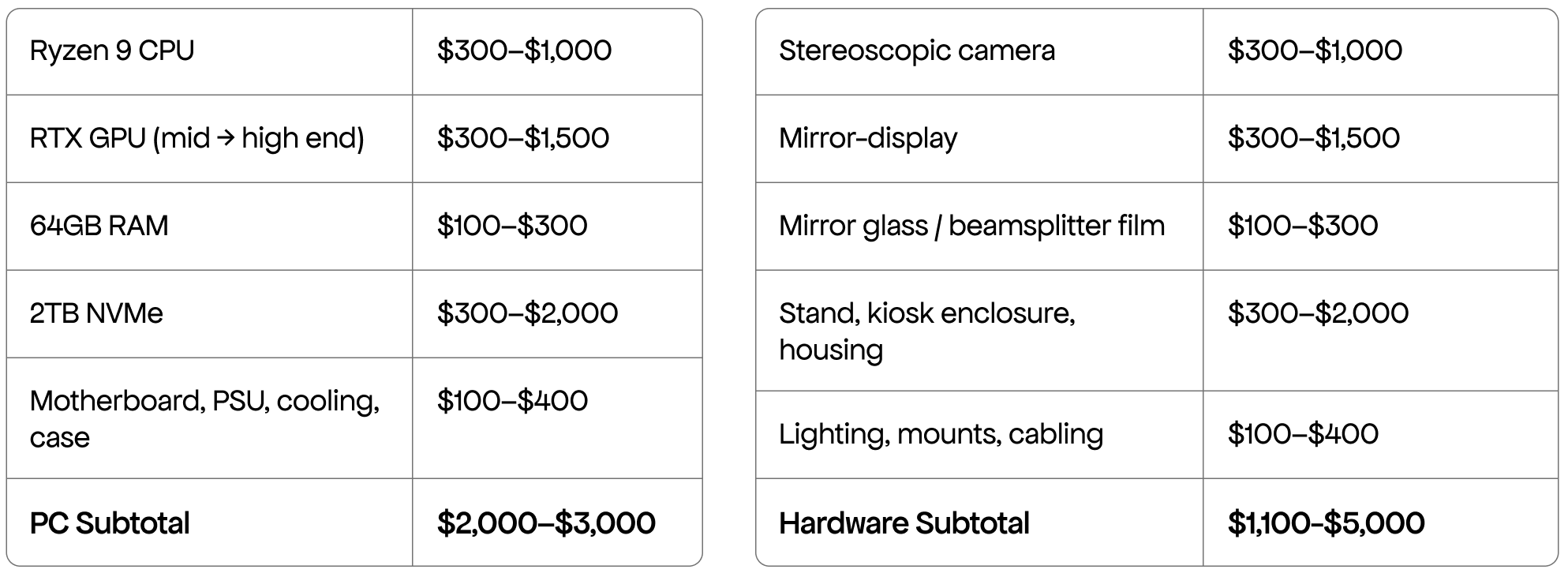
Hardware total = $2,500 - $8,000
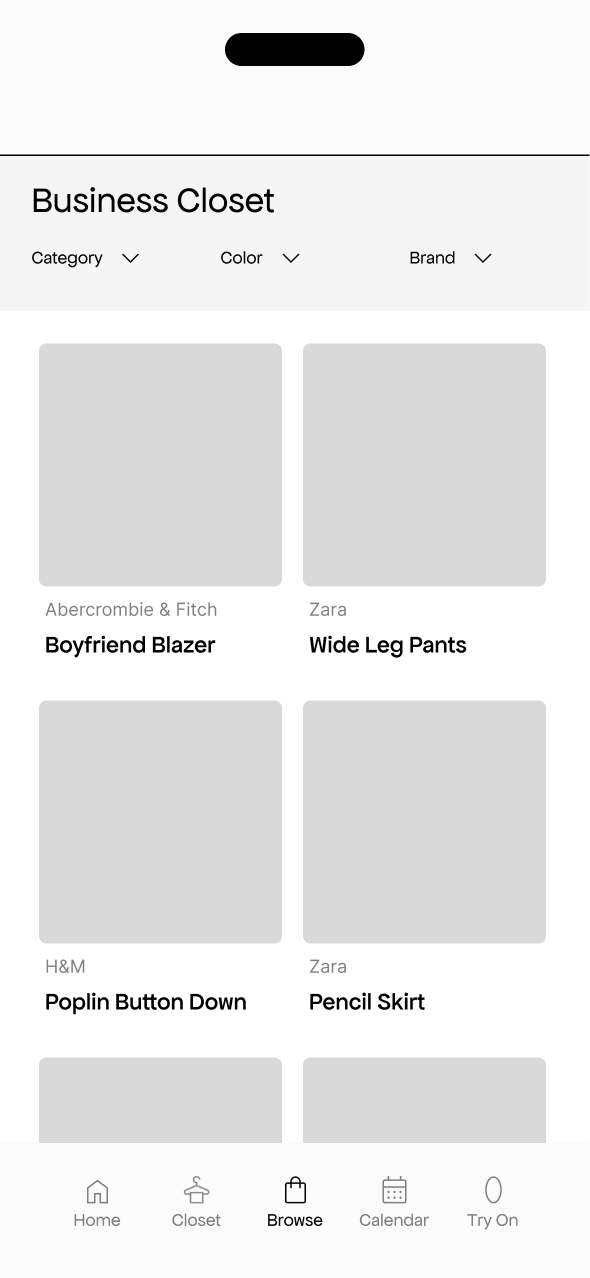
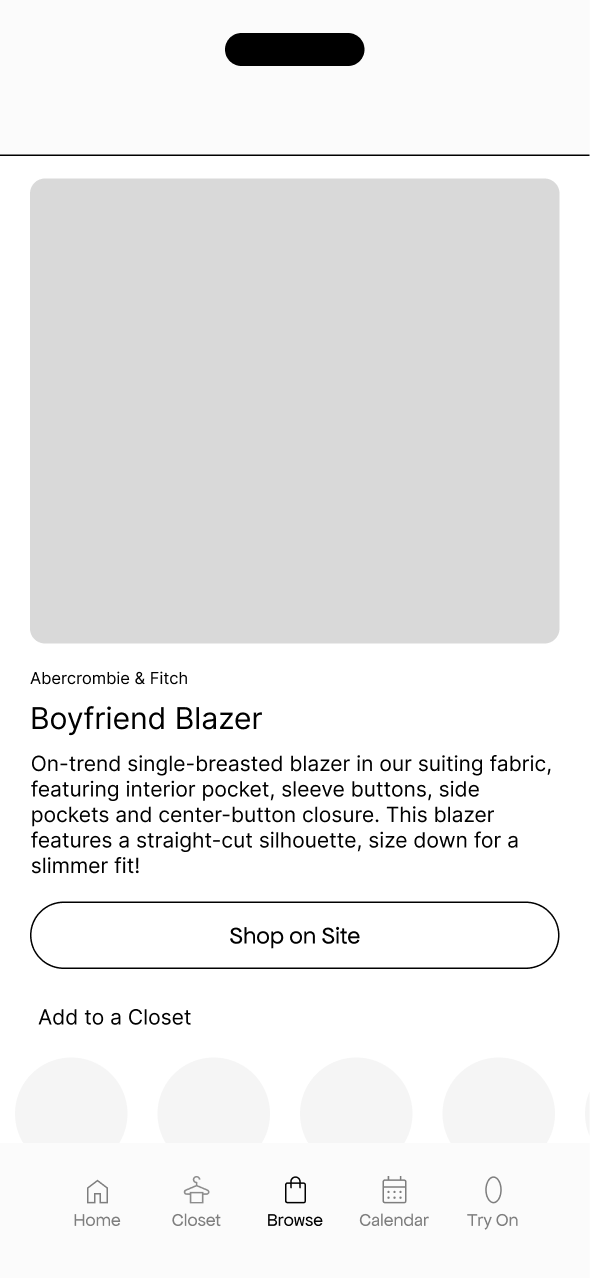
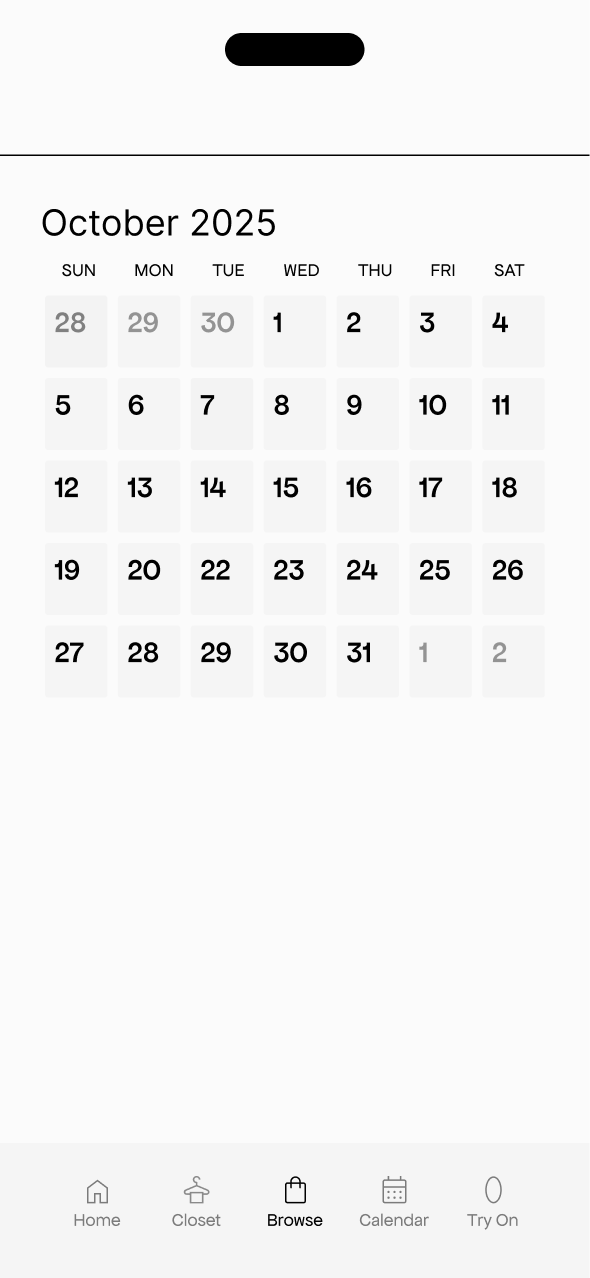
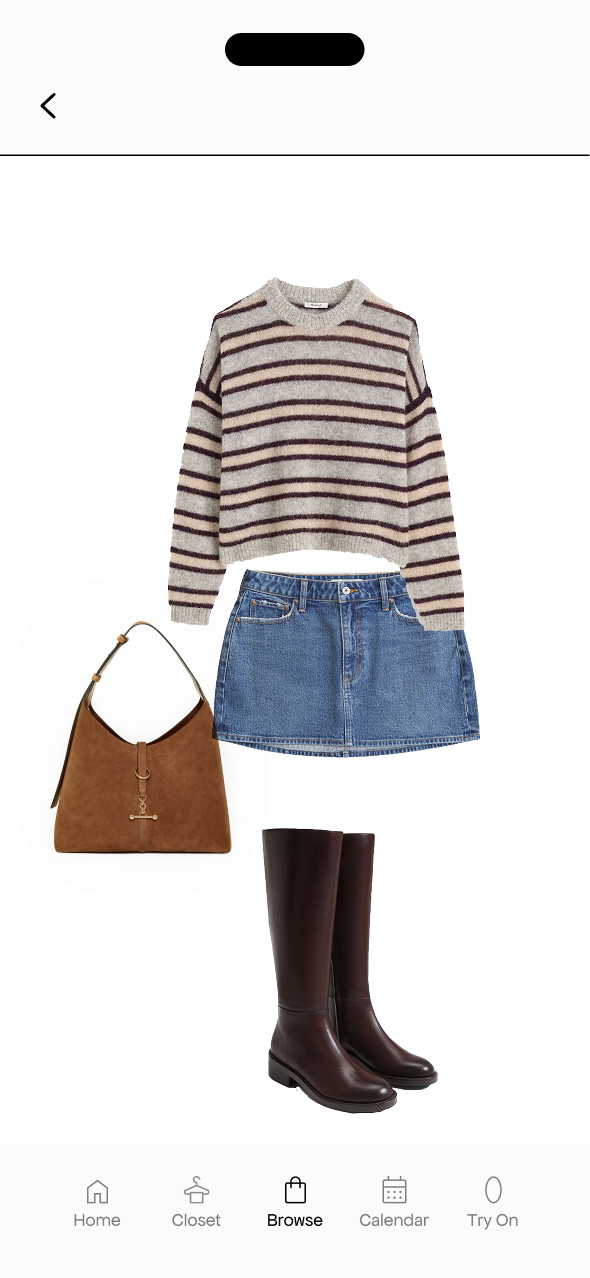
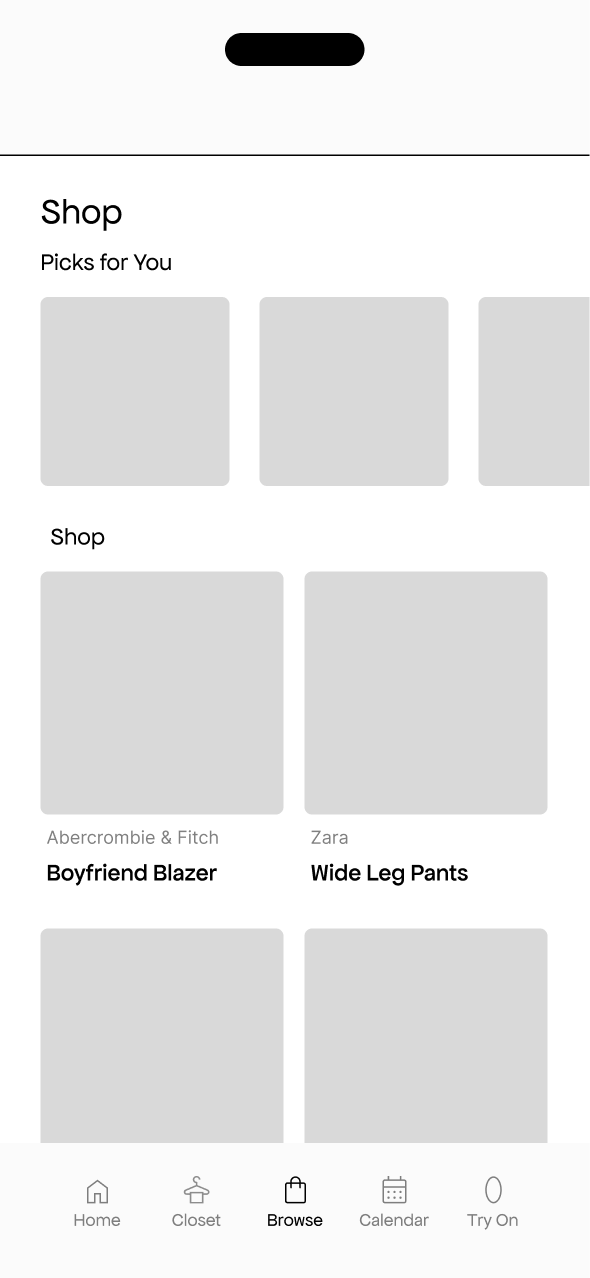
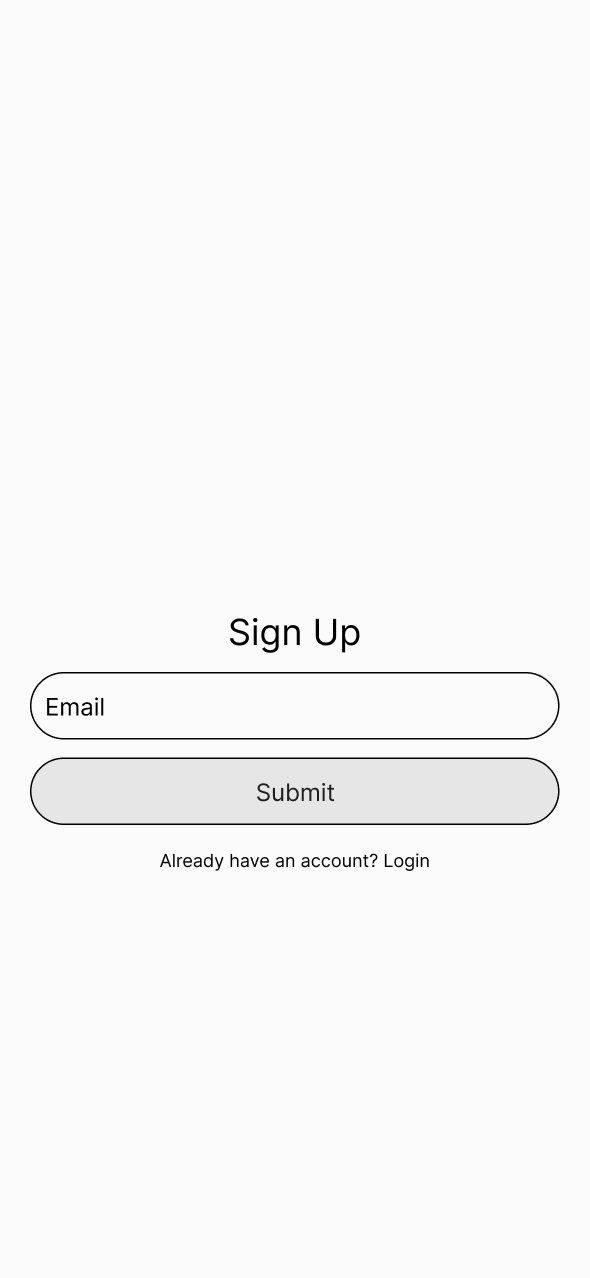
Mid-Fidelity Wireframes
High-Fidelity Wireframes